|
| A partnership between Skagit County, Mount Vernon, Burlington, and Sedro-Woolley
|
|
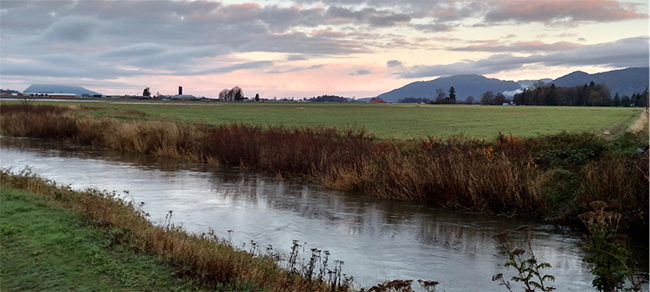
We created this program to help business owners reduce pollution at the source. Certain activities and materials may contaminate stormwater, which flows into other waterways. Rivers, streams, lakes, and marine waters may get polluted. These are the waters we play in, fish in, collect shellfish from, and drink.
We want to help businesses identify possible sources of pollution and work together to find solutions. We want to help your business apply proven pollution reduction techniques to prevent stormwater pollution.
Inspections will begin in January, 2023. You will receive notification with details by letter, email, or phone prior to your inspection. Translation services are available upon request.
|
 |
 |
Inspections |
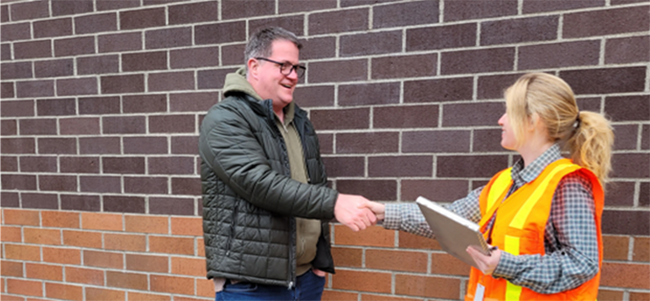
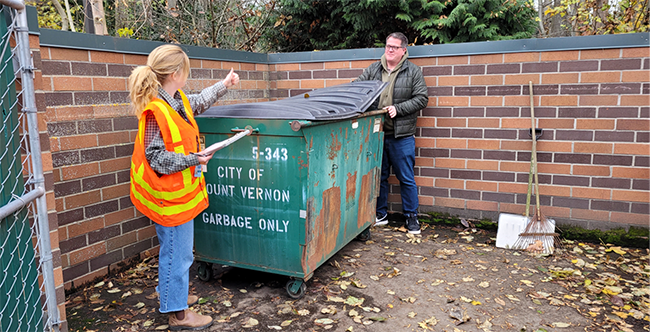
Our Regional Source Control Inspector will begin inspections in January 2023. These inspections will aim to be unintrusive. We will inspect only around the outside of your building. Business owners are not required to be present for the process but are encouraged to participate.
If we identify possible sources of pollution, we will work with you to find pollution reduction techniques known to correct the problem. Our team will follow up with businesses to make sure solutions are working. We are also happy to answer questions and provide technical support at any time.
If you would like to be present and are not available at the chosen date and time of your inspection, you may reschedule. Please contact Jason Quigley at jasonq@co.skagit.wa.us or (360) 416-1400 for scheduling changes.
Translation accommodations are available upon request. Please contact Jason Quigley at jasonq@co.skagit.wa.us or (360) 416-1400 to request translation services during your inspection.
|
|
 |
Stormwater |
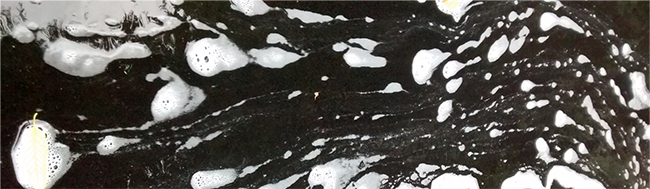
Stormwater is rain runoff from roads, roofs, parking lots, and other developed surfaces. As the water flows, it can pick up pollution like chemicals, oils, and dog poop. The stormwater then carries these things into our waterways, polluting streams, rivers, lakes, and the Puget Sound.
Potential polluters include:
- Leaky vehicles
- Open or leaky dumpsters
- Open or leaky barrels of material
- Fertilizer, pesticides, and herbicides
- Dumped or spilled wash water
- Uncovered metals and other materials
- Storm drains and catch basins that are full of litter or sediment
Get the facts on polluted runoff here. |
|
|
Best Practices |
Best management practices (BMPs) are things businesses can do to reduce stormwater pollution.
Learn more about BMPs that can help reduce stormwater pollution and keep your business up to regulation here.
Some of the Best Management Practices we’ll look for at your business include:
- Secondary containment for materials like oil, used oil, fuel, and other chemicals.
- A spill kit and spill plan.
- Closed and non-leaking dumpsters.
- Closed and non-leaking cooking oil bins.
- Well maintained storm drains.
- Wash water being dumped to indoor sewer systems, not into storm drains.
|
|

|
Inspection and Enforcement Timeline |
- Intro letter: You’ll receive a letter telling you that we are planning to inspect your business.
- Inspection: We will inspect your business.
- Follow-up letter: If your business is following stormwater regulations, we’ll send a compliance letter, and the inspection process will end. If your business does NOT meet stormwater regulations, we’ll send a follow-up letter or email explaining what needs to be changed.
- Follow-up inspection: If changes were needed, we will reinspect your business within a few months of sending the follow-up letter or email that had instructions on what needed to be changed.
- Additional follow-up: If stormwater regulations still aren’t being met after the first follow-up inspection, you will receive another letter or email with a deadline. Your business needs to meet stormwater regulations by this deadline. We will perform two more inspections after this (with follow-up letters/emails) before contacting Code Enforcement.

|
|
|