| Septic Systems Assistance |
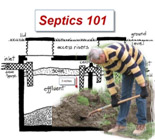
Financial Assistance for On-Site Septic Systems
Learn more about financial assistance available for on-site septic system owners here.
|
| Recreational Shellfish Harvesting |
| Before harvesting shellfish, remember to always check the current beach closures posted on the Shellfish Safety Map or the Marine Biotoxin Bulletin or by calling the Marine Biotoxin Hotline at 1-800-562-5632. |
| Wildfire and Smoke Information |
For current recommendations and monitoring information see the Washington Smoke blog .
Particulates from wildfire smoke can have serious health impacts, particularly for those with heart or lung conditions and asthma. at Washington State Department of Health provides guidance on hazards from wildfire smoke and COVID-19.
Public Health Insider from King County
|
What you can do:
- Report sick/dead domestic birds to Washington State Department of Agriculture's Avian Health Program: 1-800-606-3056.
- Report online sick/dead wild birds suspected of avian flu to the Washington State Department of Fish & Wildlife.
- Bird hunters should follow standard safety steps to avoid potential exposure to avian influenza and other viruses or bacteria.
- Visit the Washington State Department of Agriculture’s Avian Health Program website for information on how to best protect your flock
- Call the Washington State Department of Health for questions about your own health: 1-800-525-0127.
Close
|
| Bat Exposure |
| Home page | Bats can carry rabies. Avoid contact with bats. |
| Drinking Water |
| Planning & Development Services now handles water availability review. |
| Drinking Water Safety |
| Home page | Keep drinking water safe in an emergency. |
|
Public Health Emergency Preparedness and Response
|
|
Home
Page
| Help your family, friends, and workplace be prepared
and safely survive an earthquake, flood, or other emergency event.
Understand the role of Environmental Public Health in responding
to an emergency.
|
|
|
|
Food Safety
|
|
Home Page
| Are you interested in starting a food service, selling food
at a market or an event, holding a fund raiser, or just want to
serve safe food in your home? Find out about permitting requirements
for serving food to the public and many food safety topics.
|
|
|
|
On Site Sewage Program
|
|
Home
Page
| Obtain the information you need to understand, protect,
and maintain your on-site septic system. Treating sewage properly
on your property prevents pollution of our waterways!
|
|
|
|
Recreational Water
|
|
Home
Page
| Toxic algae blooms in lakes, beach water quality, swimming pool permitting.
|
|
|
|
Shellfish Safety
|
|
Home
Page
|
Learn about where to harvest shellfish free
from biotoxins and bacterial pollutants and what you can do to
ensure the safety of marine waters.
|
|
|
|
Solid and Hazardous Waste
|
|
Home
Page
| Understand the requirements for storing, disposing,
composting, or recycling the waste streams that your home or business
may produce. Submit concerns or questions on illegal dumping or
garbage accumulation.
|
|
|
|
Vectors, Living Environments, and Animal Bites
|
|
Home
Page
| Critters in our natural environment and inside our homes and work spaces can impact our health.
|
|
H5N1 Avian Influenza Information
|
| A strain of H5N1 avian influenza has been detected in wild and domestic birds in many parts of the U.S., and has been identified in Washington State. For more information on the current activity across the country, please see USDA’s 2022-2023 Detections of Highly Pathogenic Avian Influenza and CDC’s Bird Flu Current Situation Summary. Public health officials are working closely with local, state, and federal partners to monitor bird flu in Washington. |
|
|